Within the IIOE global network, excellence reveals itself in many ways. In this edition, our interview column brings together two regional trailblazers, the Egypt National Centre in North Africa and the Pakistan National Centre in South Asia, to reflect on their journeys. In Egypt, the team behind the Pioneer Award is reshaping teaching culture through an expanding micro-certification ecosystem, enabling the IIOE network to take root across national institutions. In Pakistan, the award has become a springboard for innovation, fuelling a full arc of digital transformation from campus infrastructure to countrywide AI talent development.
Through this conversation, we spotlight not only distinct routes to progress, but also the enduring value of IIOE as an ecosystem driving digital transformation in higher education.
Dialogue Participants:
Prof. Mona Abdel-Aal, Director, IIOE Egypt National Centre
Dr. Waqar Mahmood, Director, IIOE Pakistan National Centre; and Ms. Sadia Gondal, Assistant Professor
IIOE Egypt National Centre: The Change Driven by Micro- Certification
In 2023, the IIOE Egypt National Centre received its first Pioneer Award recognition for its rapid establishment of a national digital teaching system and its promotion of professional teacher certification training, marking a key breakthrough in Egypt's development of standardised digital education infrastructure. By the time it received the award again in 2025, the Centre had undergone a profound transformation, evolving from pilot practices within a single institution into a systemic force driving the digital transformation of higher education nationwide. Through its micro-certification system, it spurred deep-seated change in teaching culture, expanding successful experiences from Ain Shams University to 24 universities across the country, building a continuously growing 'learning community'. This leap was not just about scale but also about the organic integration of faculty development, curriculum innovation, and policy dialogue, forming a self-reinforcing digital education ecosystem.
Behind the consecutive Pioneer Awards lies the exemplary practice and systematic outcomes of the IIOE Egypt National Centre's development model. It demonstrates that by precisely empowering teachers, activating institutional networks, and aligning with national strategies, a locally rooted, sustainable, and evolving model for educational digital transformation can be established.
Data-driven and Strategic Alignment
The core engine of the IIOE Egypt National Centre's operation is the micro-certification course system co-developed with IIOE. This system is highly aligned with Egypt's national Education 2.0 and National AI Strategy. The former aims to leverage digitalisation and competency-based education to enhance educational quality and equity; the latter views artificial intelligence as a core engine for building a sustainable digital economy. The IIOE Egypt National Centre translates these macro-strategies into institutional practice by: bridging the digital skills gap, with micro-certification directly targeting the digital literacy, blended teaching, and AI competencies outlined in the national strategies; building capacity and infrastructure, as the IIOE platform provides an online learning infrastructure shareable by universities, enabling the replication and scaling of training outcomes; and feeding data into policy, through Quality Assurance (QA) pilots and educational research, generating evidence-based insights to inform policy refinement.
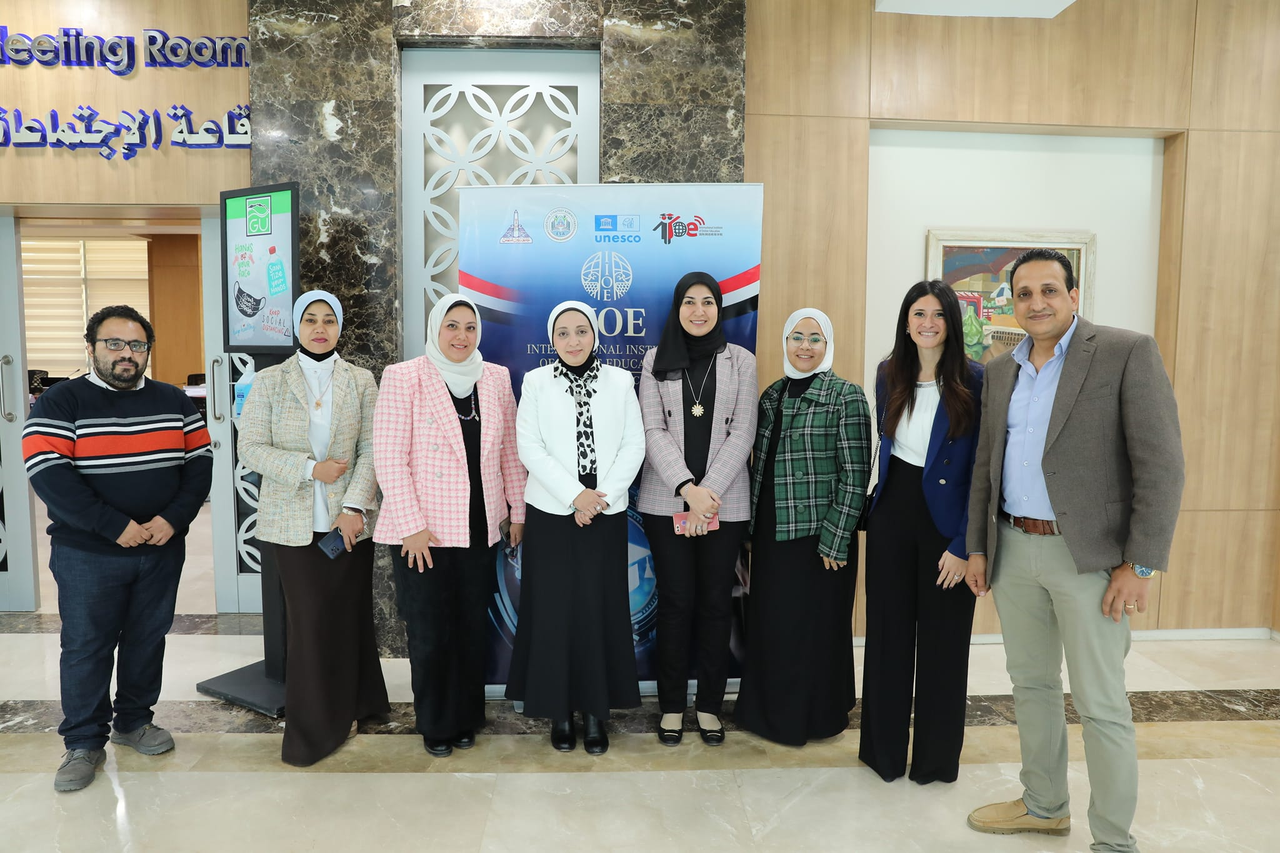
IIOE Egypt National Centre Team
Prof. Mona pointed out that the four micro-certification courses co-developed with IIOE were not conceived in a vacuum but were a strategic choice based on data. Before the project began, the IIOE Egypt National Centre team conducted a comprehensive needs assessment, identifying critical skill gaps among teachers during the digital transformation process. They prioritised four areas that form the foundational pillars for sustained digital transformation: Digital Teaching Competencies, Online Course Design, Blended Learning, and Data Literacy. These formed the basic framework for the micro-certificate course system, ensuring each course addressed real challenges in the teaching environment.
In terms of design, the micro-certification courses closely revolved around two primary teacher needs: practical application, as well as scalability and contextual relevance. On the one hand, teachers needed immediately applicable skills, not just theory. The courses, such as the Online and Blended Teaching and Learning (OBTL) Program, are designed to be hands-on, requiring participants to build their own digital teaching resources and skills as they learn. On the other hand, the micro-certification course format makes the training scalable and stackable, allowing teachers to learn at their own pace. Critically, the content had to be relevant to the Egyptian and Arab context, ensuring examples and case studies resonate directly with our educators.

Prof. Mona Abdel-Aal Elzahry
The micro-certificate co-development project has impressed me the most. The reason is its tangible, multiplier effect. These micro-certificates (e.g., OBTL) represent the concrete, actionable application of those high-level standards and policies. They directly build the capacity of our faculty, creating a critical mass of digitally proficient educators who, in turn, impact thousands of students. This project demonstrated ICHEI's commitment not just to planning, but to sustainable, institutionalised, on-the-ground change, making it the most impactful manifestation of our partnership so far.
— Prof. Mona Abdel-Aal
Systematic Integration
To preserve the outcomes of the digital teaching transformation and ensure its continued growth, the IIOE Egypt National Centre institutionalised this training, giving it high value and sustainability. By integrating these Micro-certification into the official faculty development and promotion framework, this institutional arrangement fundamentally elevates digital teaching competency from an add-on skill to a core literacy closely linked to career progression, creating a powerful intrinsic incentive for teachers to engage in the transformation.
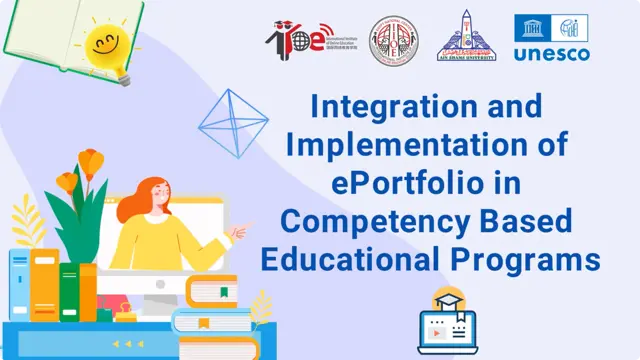
Micro-Certification Courses Co-developed
The results are already visible: a network of over 1,500 digitally proficient faculty has been formed. They are not just recipients of micro-certification but also act as digital mentors within their departments, radiating new teaching concepts and methods to a broader faculty community.
To ensure the sustainable operation of this system, the IIOE Egypt National Centre has established a professional local team fully responsible for course operation, certification, and quality monitoring. This mechanism not only guarantees efficient project execution but also creates a valuable feedback loop for teaching practices, providing a constant stream of real data and innovative inspiration for the continuous iteration and optimisation of the micro-certification courses.
A Thriving Ecosystem
Another standout achievement of the IIOE Egypt National Centre is its "snowball" expansion across the country. Starting at Ain Shams University, teachers trained through IIOE returned to their own institutions to establish local training hubs, drawing more educators into the fold. This network of universities has created a chain of demonstration, replication, and scale, where momentum builds from one campus to the next. Throughout this process, the IIOE platform and its course resources have provided a consistent framework and the support needed to sustain nationwide growth.

Smart Classroom
Currently, a national learning community covering 21 public universities, 2 national universities, and 1 private university has taken shape. The vigorous growth of this network is driven not by top-down mandates but by teacher enthusiasm, policy encouragement, and international collaboration.
The IIOE Egypt National Centre is not only enhancing teacher capacity but also building a community of mutual learning and shared growth. This makes its Pioneer Award more than just recognition for a project; it is the highest endorsement of the systemic innovation ecosystem it has constructed.
Transforming Teaching Culture
The IIOE Egypt National Centre has not only achieved a shift from project to ecosystem but has also influenced teacher-student interaction, leading to a deep-seated evolution in teaching culture.
A senior professor was initially very skeptical, viewing online learning as a temporary inconvenience. After completing the Blended Learning micro-certification, he completely redesigned his Occupational Medicine course. He now uses the learning management system to host lecture videos and online quizzes, freeing up physical class time for collaborative problem-solving and project-based learning. He noted, "I am now having more meaningful discussions with my students than I did in 20 years of traditional lecturing." His students have since reported a significant increase in both understanding and engagement, confirming the shift from passive listening to active learning. This demonstrates a profound change in the teaching culture itself."
This cultural shift is also reflected in the evolution of teaching spaces. The Weidong Smart Classroom, established in 2020, has become a physical fulcrum for promoting interactive teaching. During the COVID-19 pandemic, it quickly became a strategic educational asset, converting into a high-quality lecture recording studio, with over 20 courses recorded and lecture content accumulating more than 100K views on YouTube. As part of the Center of Excellence in Sustainability, faculty used the interactive displays to present evidence and data; students, in real-time, activated servers and installed monitoring tools while the recording capabilities allowed for post-session review and feedback. This shifted the dynamic from a teacher-centric sage on the stage' to a facilitator of immersive, hands-on experiences. Teacher-student interaction is now more collaborative, project-based, and evidence-driven, turning the classroom into an active learning lab.
Future Vision
Building on its achievements, the IIOE Egypt National Centre is moving towards a more ambitious future: establishing a National Digital Teaching Talent Development Framework. This involves creating clear, recognised pathways from foundational digital skills for undergraduates to advanced micro-certification for educators and professionals. The ultimate goal of the National Centre is to ensure the training it provides is fully recognised by industry and government, making Ain Shams University and the IIOE Egypt Centre the definitive hub for driving national digital lifelong learning.
Looking ahead, the IIOE Egypt National Centre plans capacity building by closely following technological trends, making forward-looking arrangements. It keenly captures the wave of AI + Education, clearly stating that the most urgent need for teachers is to enhance human-machine collaboration skills – i.e., how to use AI tools for instructional design, assessment, and providing personalised support, rather than being replaced by AI.
The competencies teachers need to develop most urgently are not just technical, but pedagogical and ethical. This includes AI literacy and critical evaluation, which means teachers should understand what AI is, how it works, and, just as importantly, what its limitations and ethical pitfalls are. They need the ability to critically evaluate and fact-check AI-generated content and tools. It also includes pedagogical integration for personalisation, the skill to intelligently integrate AI as a powerful teaching assistant – using it for personalising learning paths, generating realistic case studies, or providing automated, timely feedback, rather than seeing it as a threat. Also, prompt engineering for educators requires teachers to learn how to effectively prompt AI to create high-quality educational content, assessments, and learning activities tailored to specific course outcomes.
To this end, the IIOE Egypt National Centre team will prioritise developing interdisciplinary Micro-certification courses such as AI + Health, AI + Engineering, and AI + Sustainable Agriculture, aiming to cultivate the composite digital talent needed to support the development of Egypt's key industries. This initiative will elevate the digital capacity building of teachers from generic teaching skills to a new height closely aligned with the needs of the national economy.
Meanwhile, the partnership with UNESCO-ICHEI has truly evolved from a simple collaboration into a strategic, symbiotic alliance. It has moved beyond singular, project-based work to a shared vision for accelerating educational modernisation and digital capacity building in the region. What truly fuels our team is the visible transformation we witness in our educators and institutions, coupled with the global mission of the IIOE. Every time a faculty member shares a success story about using a new digital pedagogy, or an ASU student excels due to improved teaching methods, it reaffirms our purpose. The collaboration with IIOE provides a sustainable framework for this change, offering continuous learning, access to international best practices, and a supportive community of practice.
Our hope is to ensure that Egyptian higher education is not just keeping pace with the global digital economy but is actively shaping it, preparing every Egyptian student to be an innovator and leader.
IIOE Pakistan National Centre: From Pioneers to Trendsetters
A Century-old University's Epochal Awareness
As a century-old bastion of engineering education, the University of Engineering and Technology (UET) Lahore has always been a core force behind Pakistan's technological progress. Generations of engineers and innovators from UET have been deeply involved in building national infrastructure in energy, water, communications, and transportation. Yet, in the last five years, UET Lahore has undergone its most significant transformation to date that is, redefining its legacy from an engineering university to a solution provider for the education sector of Pakistan in the domains of digital transformation, sustainable, smart, safe and green campus development, student life cycle automation as well as AI awareness and training provider for the public officers, policy and decision makers throughout the country.

Dr. Waqar Mahmood
The IIOE Pakistan National Centre team pointed out that this transformation was driven by the following strategic decisions: Initial short-term training bootcamps evolved into sustained national programmes in partnership with the National Vocational and Technical Training Commission (NAVTTC), expanding outreach to hundreds of more digital skills learners and practitioners annually; UET introduced internationally accredited certifications (Huawei, IIOE, and Coursera micro-credentials), ensuring measurable employability outcomes; IIOE-supported CPD integration plan ensures that digital training becomes an institutional mandate rather than one-time initiative. Through KICS, UET expanded joint research with firms such as CyberVision, Systems Limited, and Netsol by embedding internships, applied R&D, and real-world problem-solving within degree programmes.
In 2023, the University of Engineering and Technology (UET) received its first Pioneer Award recognition for its rapid mobilisation of the IIOE National Centre and its capacity to deliver large-scale, high-impact training. The Centre had institutionalised digital learning infrastructure and demonstrated readiness for global-standard online education. In 2025, UET was awarded again, signalling a more profound shift from capacity-building to systemic transformation for the Centre. Being honored with the second Pioneer Award reflects more than institutional excellence. It is an acknowledgment of national leadership as UET Lahore, Pakistan model proves that an institution's global partnerships with local policy, results in self-sustaining system capable of scaling innovation, equity, and employment.
The journey from the first to the second Pioneer Award tells the story of a strategic and sustained evolution that led from building a platform to driving policy transformation. Behind the consecutive awards lies UET's leapfrog development path, from building digital infrastructure to influencing national policy through AI-integrated curricula, micro-certification, and professional development frameworks.

Ms. Sadia Gondal
Digital and AI Capacity Building
UET's transformation journey has been consistently supported by IIOE. In 2022, the IIOE Pakistan National Centre was established and gradually developed into a platform for enhancing digital pedagogical capacity, advancing ICT skills, and bridging industry-academia divides. It serves as both a national model and a UNESCO-aligned hub for institutional digital transformation. During the last few years, the Centre has trained over 8000 students and 1000 faculty across Pakistan's higher education institutions. The Centre's commitment to inclusivity has resulted in over 60% female participation, resulting in direct contribution to narrowing Pakistan's gender digital divide [1].
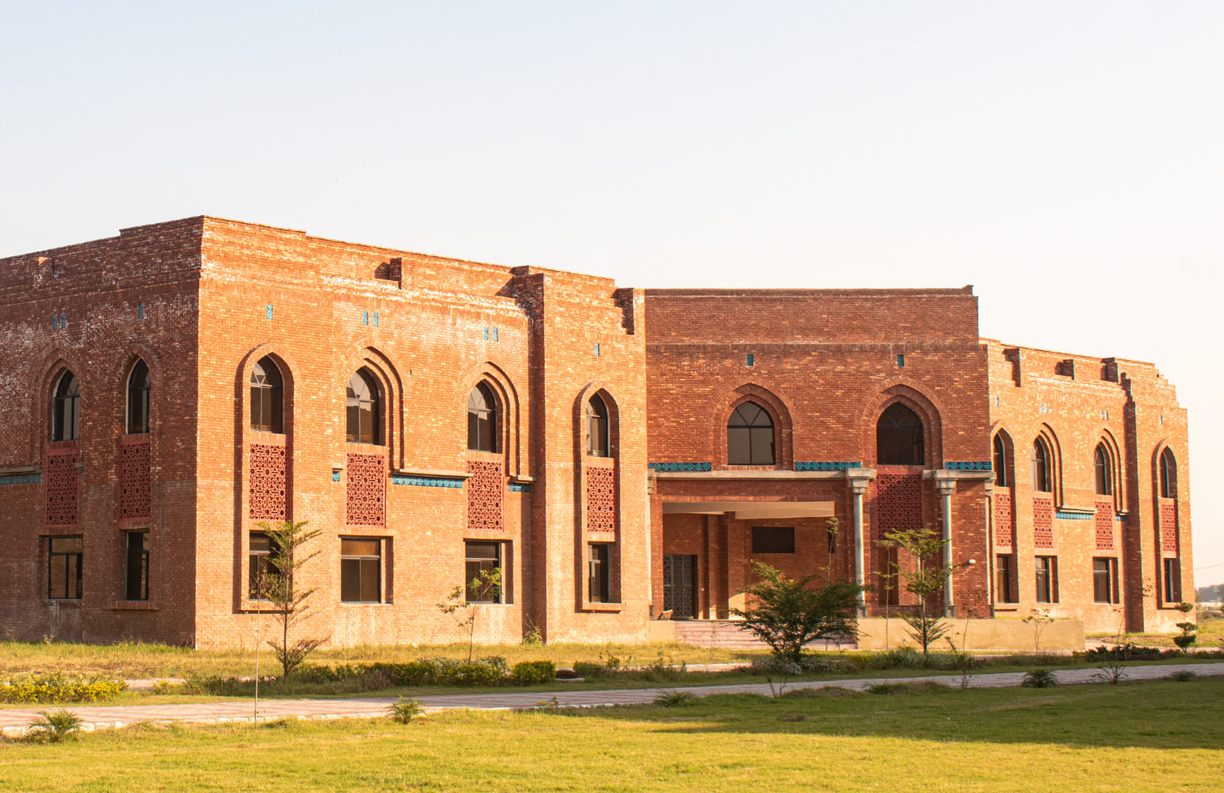
© UET
IIOE Pakistan National Centre's approach combines capacity building, curriculum innovation, and industry collaboration. Its courses span AI, Cybersecurity, Data Science, Cloud Computing, and Digital Pedagogy. The curricula, co-developed with IIOE experts, blend technical mastery with ethical and societal dimensions, ensuring that UET's graduates are not only skilled engineers but also responsible technologists. UET Lahore's partnership with Huawei ICT Academy exemplifies this model. Through the Academy, more than 3,500 students have earned globally recognised Huawei certifications, making international credentials available for the students of the national degree programmes.
To deepen industry-academia integration, UET's Al-Khawarizmi Institute of Computer Science (KICS) along with IIOE provides a practicing platform for students by linking academic learning to applied research. KICS established the National Centers of Excellence in AI, Cyber Security, Robotics, Quantum Computing, Big Data Analytics and Cloud Computing. The significant projects also include the AI-based Digital Railway System for Pakistan Railways, enhancing operational safety through predictive analytics, the AI-based video analytics for Safe City Authority of Punjab providing automation to the largest surveillance authority of Pakistan, providing consultancy for integration of green energy solutions for many public organisations and universities in Pakistan, providing student life cycle automation and quality data collection platform to several universities in Pakistan, and facilitating them with AI enabled data-driven decision making and performance tracking.
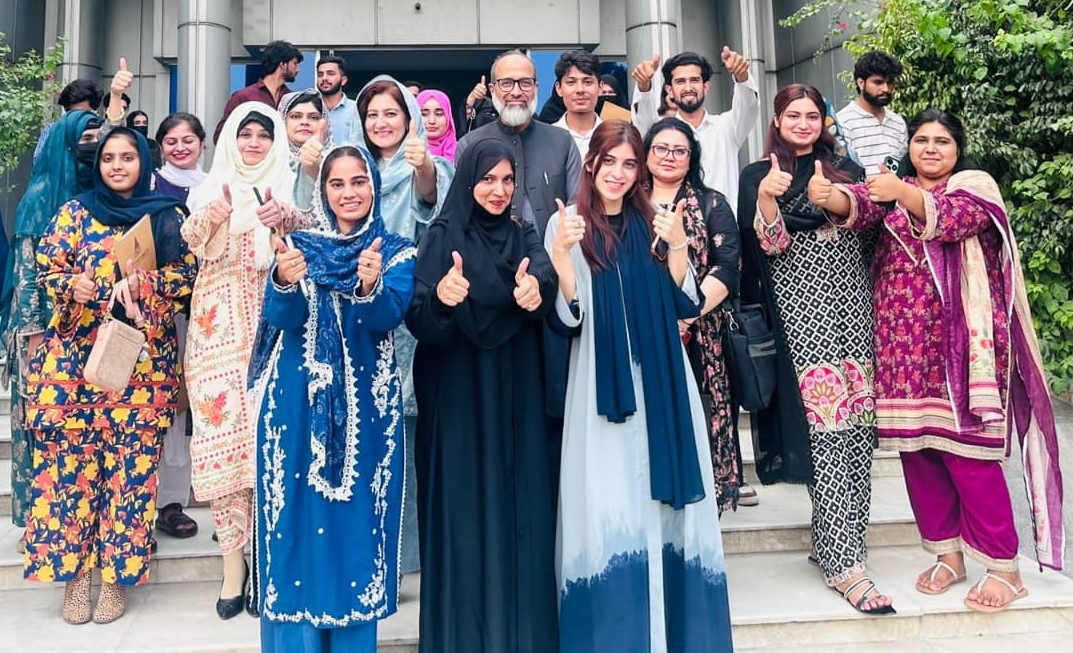
© UET
Furthermore, UET and IIOE Pakistan National Centre has also been a core supporter in the Erasmus+ BRIDGE Project 2025, a €800,000 EU-funded initiative that brings together universities across Europe and Pakistan to advance Industry 5.0 skills and digital learning strategies. Through BRIDGE, UET is aligning its ICT and engineering curricula with European standards for employability and innovation.
These collaborations have initiated academic innovation at home. In 2025, UET launched three new undergraduate degrees: BS Artificial Intelligence, BS Cybersecurity, and BS Data Science. Each programme integrates AI ethics, transparency, and data governance as core competencies, aligning with UNESCO's framework for AI and Education: Guidance for Policymakers [2].
After the establishment of the IIOE Pakistan National Centre, UET has operationalised the Smart Classroom initiative which is one of UNESCO–ICHEI's flagship contributions to deliver blended and asynchronous learning. The university's ongoing efforts to integrate micro-credentials and digital badges into academic pathways will make it Pakistan's first public-sector university to institutionalise lifelong digital learning for both students and faculty. Currently, UET Lahore, Pakistan is in its final stage to embed these micro-credentials into its Continuous Professional Development (CPD) policy. What began as a pilot project transformed into a permanent institutional framework. Through this policy, faculty will be required to complete IIOE-backed micro-credentials annually, ensuring continuous digital upskilling and pedagogical innovation.
Collectively, these efforts represent a complete transformation, supported by UNESCO IIOE's vision for equitable digital education. This positions UET Lahore as both a national leader and a global case study for how iconic institutions reinvent themselves to meet the demands of the Fourth Industrial Revolution. As these changes took root, the Centre began to influence international discourse on digital transformation. Its collaboration with UNESCO Bangkok for Case Study on "Exploring the Potential of Micro-credentials in Asia-Pacific" became a benchmark for how global partnerships can shape capacity-building frameworks.
The Next Decade's Plan
AI Talent Vision
Looking ahead, UET Lahore envisions transforming its IIOE National Centre into Pakistan's premier hub for AI talent cultivation and ethical digital leadership. The university's philosophy is clear: the next phase of digital transformation must go beyond literacy to fluency in Artificial Intelligence.
The Centre's AI vision rests on the following core competencies: Producing graduates proficient in Machine Learning, Data Analytics, Generative AI, and Natural Language Processing, supported by cross-disciplinary research and industry labs; Embedding topics like bias mitigation, algorithmic transparency, and social accountability across all AI curricula; Serving Pakistan's developmental needs by enhancing productivity, green energy management, and healthcare innovation.
The IIOE Pakistan National Centre's AI strategy focuses on the following target groups: Faculty trained as "AI Pedagogy Champions" through IIOE-led courses on smart teaching, AI integration, and virtual lab simulation; Students empowered as AI Architects through mentorship programmes, hackathons, and co-supervised research with industry experts; Administrators equipped as "AI Strategy Leaders" to implement data-driven decision-making in institutional governance.
To strengthen this vision, UET and IIOE have launched a suite of AI-oriented microcredentials. The first micro-credential, AIGCEnabled Human-Machine Collaborative Learning: Fostering Human-Computer Collaborative Learning through Integration of AI-Generated Content, has already been rolled out globally, while two more micro-certification courses are under development. The model's success has inspired interdisciplinary expansion. Under IIOE's guidance, UET's Centre for Language and Learning has progressed using AIdriven analytics to enhance English and Urdu language instruction, linking communication skills with employability in the digital economy.
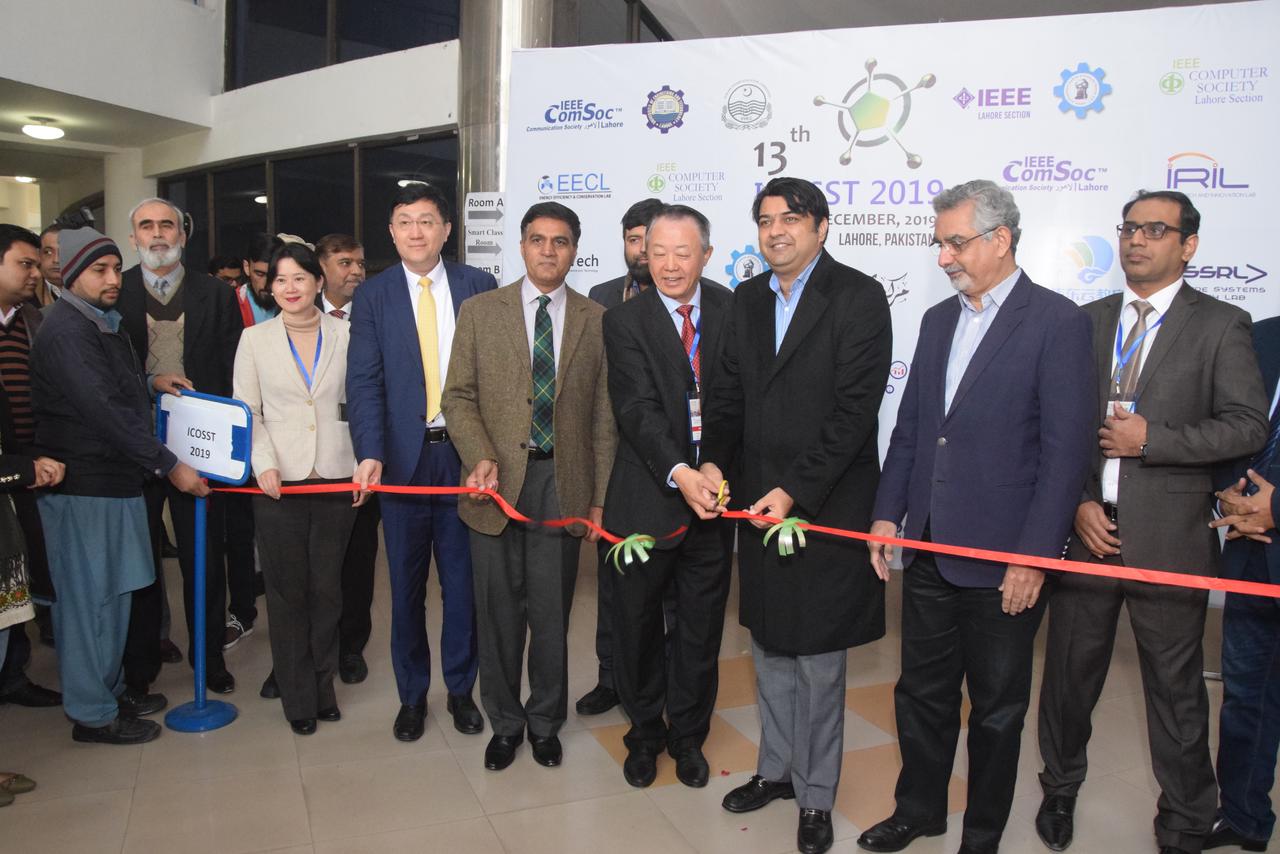
UET Smart Classroom Launch Ceremony
This integrated vision is a self-reinforcing cycle where curriculum innovation, faculty training, and industry engagement will continuously accelerate national AI capacity and shall create a sustainable reservoir of ethical and responsible AI leaders for Pakistan and beyond.
Strengthening Partnerships
UET's efforts through the IIOE National Centre are fully aligned with Pakistan's Digital Pakistan Policy [3], HEC Policy on Online and Distance Learning [4], and the university's own Strategic Plan 2025. These frameworks exhibit one goal: creating a digitally empowered, globally competitive workforce. Within this context, IIOE provides not just resources but a strategic architecture for transformation by linking local priorities with international standards. The partnership enables UET Lahore to design globally benchmarked yet locally contextualised curricula, ensuring relevance to Pakistan's economic and cultural realities.
Looking forward, UET and IIOE envision following three major areas of expansion: Firstly, UET will collaborate with HEC and IIOE to design a standardized competency framework for digital teaching across Pakistan's universities. This will incorporate IIOE micro-credentials as the national benchmark for teacher qualification; Secondly, building on its dual Pioneer Awards, UET aims to evolve into a Regional Hub for Micro-Credential Strategy under UNESCO's umbrella for mentoring South Asian universities in digital transformation, policy integration, and content localisation; Thirdly, UET will co-develop new courses with IIOE on Generative AI for Human-Machine Collaboration, AI for Climate Resilience, and Digital Pedagogy for Inclusive Learning. These will be open educational resources available to IIOE's global network.
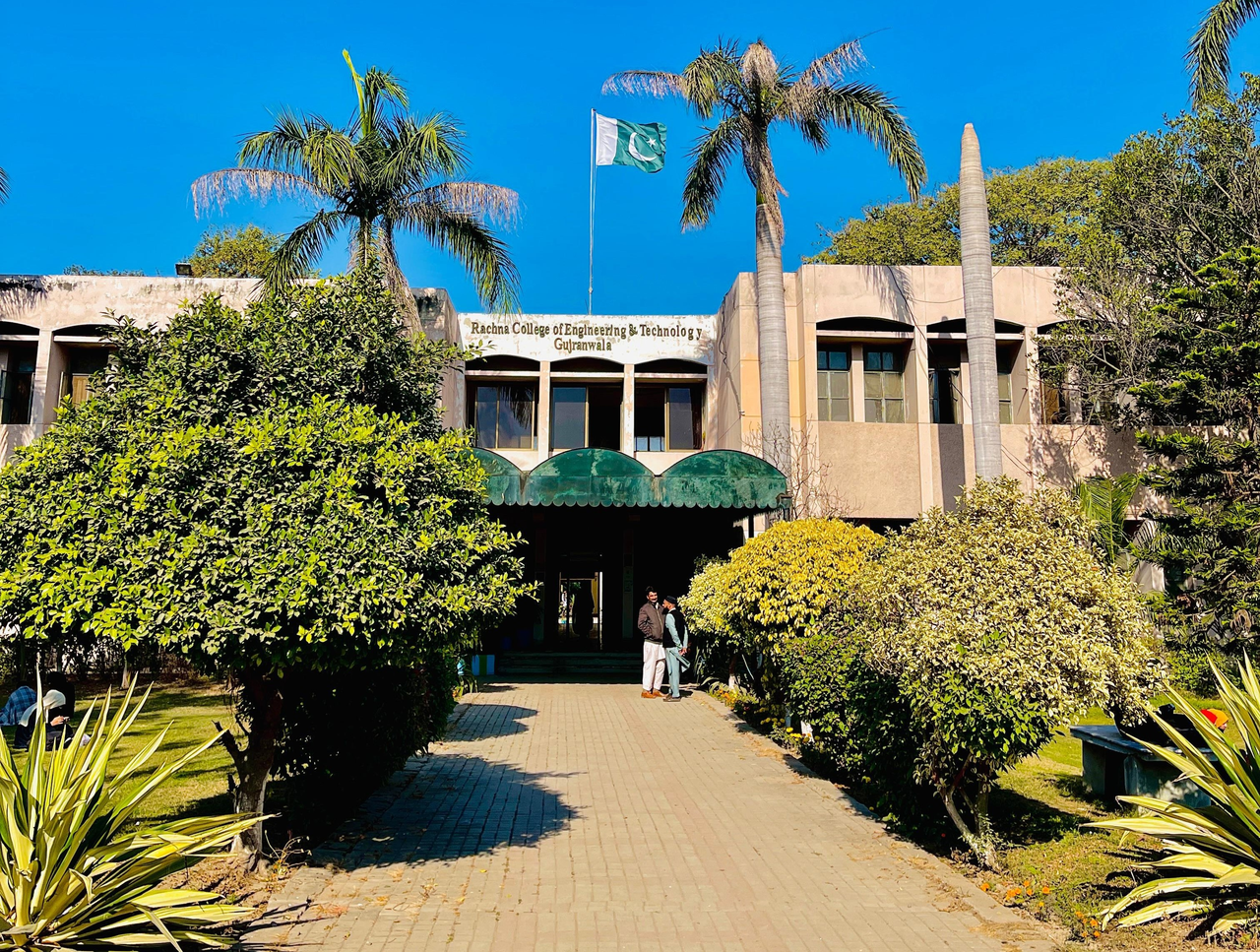
© UET
From empowering 8,000 learners to embedding AI ethics into national curricula, from pioneering micro-credentials to influencing higher education policy, UET Lahore exemplifies the transformative power of collaboration. The model's replicability lies in combining global expertise, national policy, and institutional ownership. By aligning with UNESCO's digital education agenda, UET Lahore has created a blueprint that can be adapted by other developing countries seeking to localise global best practices in ICT and AI education.
As UET Lahore looks toward the next decade, its mission remains clear by transforming education into opportunity, opportunity into innovation, and innovation into a sustainable, inclusive digital future for Pakistan and the Global South.
References
[1] GSMA. (2023). The Mobile Gender Gap Report 2023. GSMA.
[2] UNESCO. (2021). AI and Education: Guidance for Policy-Makers. United Nations Educational, Scientific and Cultural Organization.
[3] Ministry of Information Technology & Telecommunication. (2018). Digital Pakistan Policy. Government of Pakistan.
[4] Higher Education Commission. (2020). HEC Policy on Online and Distance Learning. Higher Education Commission of Pakistan.